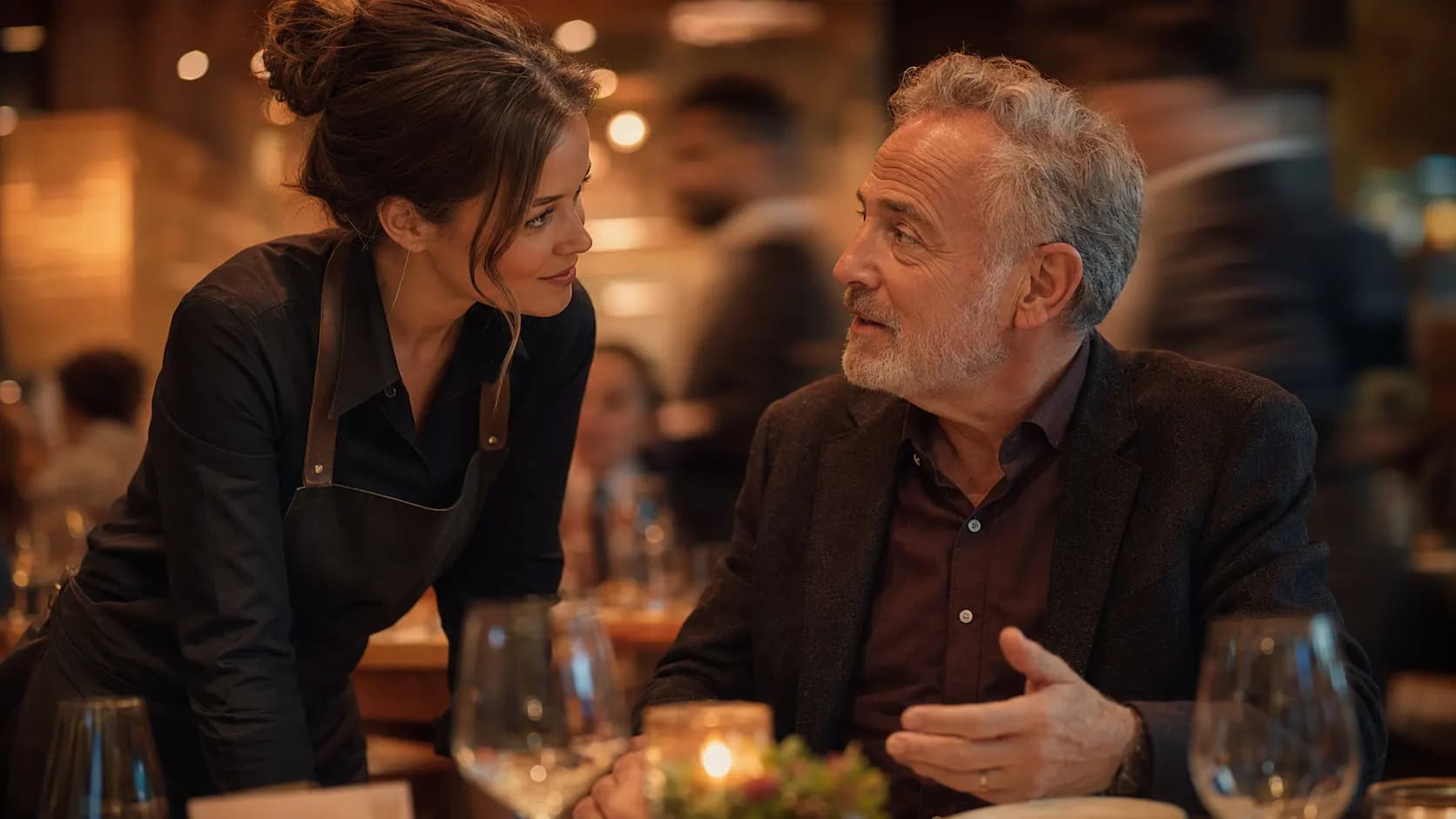
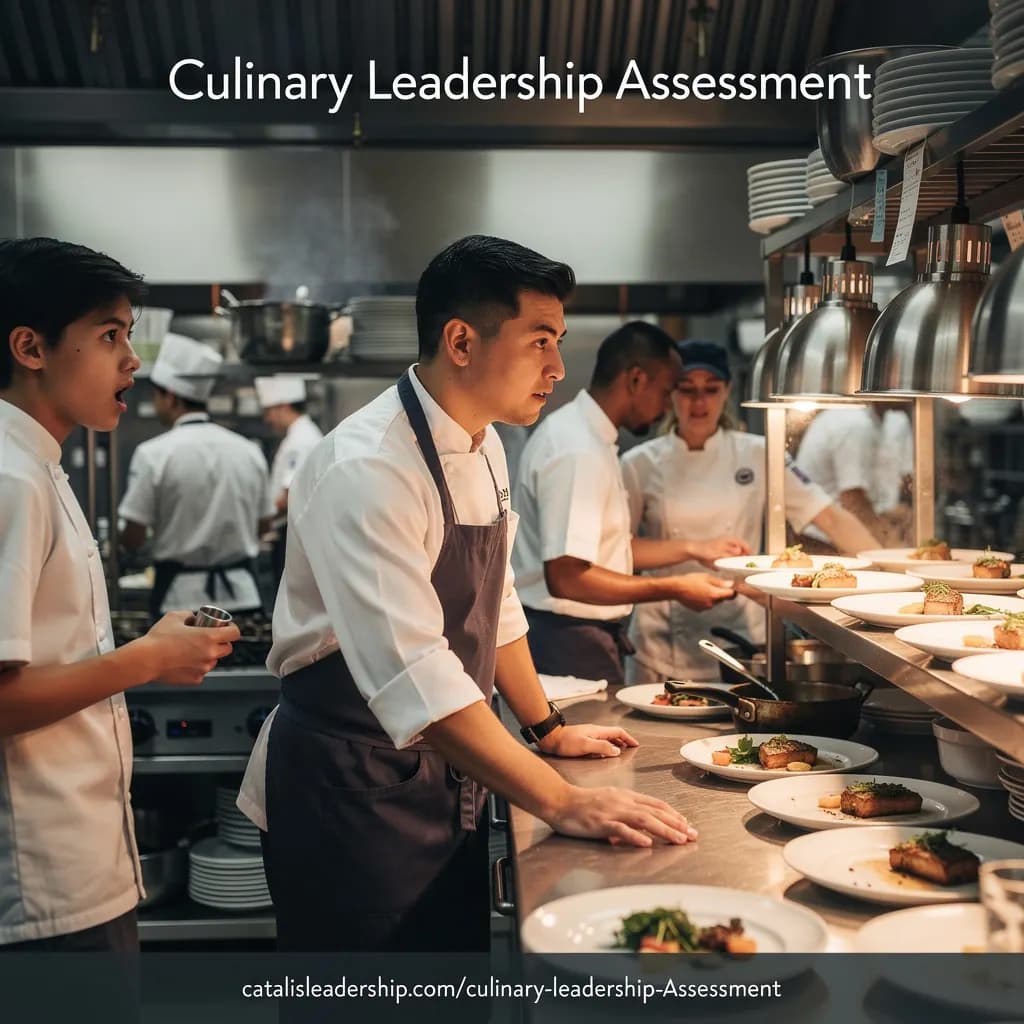
She could fire him up. Clap him on the shoulder. "Let's GO! You've got this! Show me what you're made of!" Energy. Intensity. Passion.
Or she could do what actually helps: walk to the station, help him reorganize the reach-in, confirm the pickup order for the special, and make sure he has what he needs for the next four hours.
One approach feels like leadership. The other is leadership.
The Motivation Myth
Here's a question I ask every leader I coach: When your team is struggling, what's your first instinct?
Most say some version of the same thing: inspire them. Rally the troops. Give a speech. Remind them of the mission, the vision, the why.
It's not a bad instinct. It comes from a good place — the belief that people perform better when they're fired up, and that a leader's job is to provide that spark.
But here's the problem: it's almost never what teams actually need.
Google learned this the hard way. They spent two years and millions of dollars on Project Aristotle, trying to crack the code of what makes teams effective. They assumed it would be about assembling the right people — the best credentials, the sharpest minds, the most driven personalities.
They were wrong.
What they found: who is on the team matters far less than how the team works together. And the single biggest factor in team effectiveness? Not motivation. Not talent. Psychological safety — whether people feel safe to speak up, take risks, and admit mistakes without fear.
In other words, teams don't need a leader who fires them up. They need a leader who clears the path.
What Teams Actually Want
I spent decades leading nonprofit organizations before I started working in a professional kitchen. Now I coach leaders across industries — tech companies, healthcare systems, family businesses. Different worlds, right?
But here's what surprised me: the underlying dynamics are exactly the same.
When teams struggle, it's rarely because they lack motivation. It's because they lack one of these five things:
Clarity
They don't know what's expected. Priorities shift without explanation. They're guessing at what "good" looks like.
In a kitchen, this is the chef who changes the menu mid-service without telling the line. In a nonprofit, it's the executive director who launches a new initiative every quarter without finishing the last one. In a business, it's the CEO who says "everything is a priority" — which means nothing is.
Consistency
The rules change depending on the leader's mood. What's celebrated on Monday gets criticized on Friday. People walk on eggshells because they can't predict the response.
I once watched an executive praise an employee's initiative in a team meeting, then privately reprimand them for "going rogue" an hour later. The team learned to do nothing without explicit permission. Initiative died.
Obstacle Removal
They're blocked by things outside their control — outdated systems, unclear approval processes, another department that won't return emails — and leadership either doesn't know or doesn't act.
The best kitchen expeditors don't just call out orders. They anticipate bottlenecks, clear jams before they happen, and run interference so the line can focus on cooking. The best leaders in any setting do the same.
Honest Feedback
They're flying blind. No one tells them what's working or what isn't. Performance reviews are vague. They find out they were struggling only when it's too late to fix it.
Follow-Through
Leaders make promises and don't keep them. They ask for input and ignore it. They announce initiatives that quietly disappear. Over time, the team stops believing anything will actually change.
The Mise en Place Principle
In professional kitchens, there's a concept called mise en place — French for "everything in its place."
Before service, every ingredient is prepped, every tool is positioned, every container is labeled. Not because chefs are obsessive (though some are). Because when the pressure hits, you need to know exactly where everything is.
Mise en place isn't about motivation. It's about removing friction so people can do their best work.
When I started working at Edwins two years ago, this concept hit me immediately — not as something new, but as something I'd been trying to articulate for decades. Every effective team I'd ever led or coached operated on the same principle, whether they had a name for it or not.
In a kitchen, mise en place means your station is ready before the tickets start printing.
In a nonprofit, it means your development team has the donor briefs, the talking points, and the follow-up templates before the capital campaign launches.
In a business, it means your sales team has clear territories, updated CRM data, and pricing authority before they walk into client meetings.
Great leaders create organizational mise en place. They make sure people have what they need, know what's expected, and can focus on the work instead of navigating chaos.
From "Fire Them Up" to "What's in Their Way?"
If you're used to leading through motivation, this might feel like a demotion. Less inspirational. Less leaderly.
But here's what I've learned across decades of leadership: the most respected leaders aren't the ones who give the best speeches. They're the ones who make it easier for people to succeed.
The shift is simple, even if it's not easy:
Instead of asking "How do I fire them up?" Ask "What's getting in their way?"
Instead of another all-hands meeting about the organizational vision, walk the floor. Talk to people. Find out what's frustrating them, what they're waiting on, what decisions are stuck in limbo.
Then fix those things. Visibly. Quickly.
That's not glamorous leadership. But it's effective leadership.
The Evolution of the Kitchen (and What It Teaches Us)
For decades, professional kitchens ran on what's called the brigade system — a strict hierarchy with the chef as autocrat. Screaming was standard. Fear was a management tool. The assumption: people perform best under pressure, and pressure means intensity.
That model is dying.
The best modern kitchens — the ones producing the most creative, consistent, excellent food — have moved to something different. Yes, there's still structure. Yes, there's still accountability. But the screaming is gone. The fear is gone.
What replaced it? Clarity. Preparation. Standards. Trust.
A cook in a well-run kitchen knows exactly what's expected, has everything they need at their station, receives feedback in real time, and trusts that leadership will address problems instead of just adding pressure.
The same evolution has happened everywhere. The old command-and-control model doesn't produce results anymore — if it ever really did. Whether you're running a restaurant, a nonprofit, or a Fortune 500 company, what works is what's always worked for the best teams: leaders who clear the path instead of just cheering from the sidelines.
The Real Question
Next time your team is struggling, resist the urge to rally them.
Instead, ask yourself:
- Do they know exactly what success looks like?
- Do they have what they need to do the work?
- What's blocking them that I could remove?
- When's the last time I gave them honest, specific feedback?
- Have I done what I said I would do?
If you can't answer "yes" to all five, motivation isn't your problem. Clarity is. Consistency is. Follow-through is.
Fix those first.
The motivation will take care of itself.