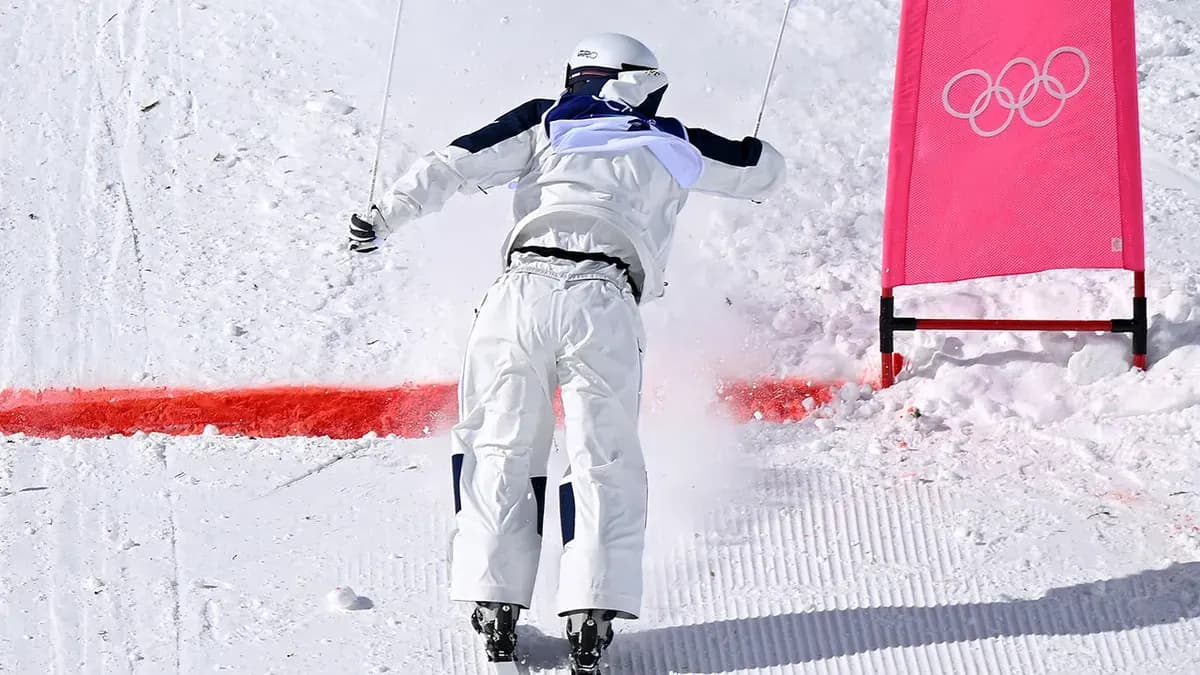
At the 2026 Milan Cortina Olympics, Japan's Ikuma Horishima was going for gold in the men's dual moguls. Then he crashed.
What happened next is one of the most remarkable things I've ever seen in sports. The crash sent him into a mogul that popped him upright — facing the wrong direction. And instead of stopping, he rode it out. Backwards. Over moguls. At Olympic speed. He crossed the finish line looking back at where he'd been, not where he was going.
He won silver. In moguls. I think he won gold in something else entirely.
Most people see that and think: that's grit. Don't quit. Keep going. But I think the real story is something much deeper.
The conventional wisdom about elite athletes is that they train until their responses become reflexive. Muscle memory. Don't think, just do. That's what mastery looks like — or so we think.
But Horishima's crash blows that up. Because you can't ski backwards on reflex. There's no muscle memory for this. No trained response to fall back on. The thing athletes normally rely on in a crisis — that instinct, that "it just happens" — has nothing to offer him here.
So he had to do something harder. He had to think. He had to take in everything his body was telling him — the pressure shifting under his feet, the angle of his knees, his center of balance moving in a direction he wasn't expecting. He had to process terrain coming at him backwards, moguls he couldn't anticipate. He had to calculate and adjust in real time, not from reflex but from awareness. Open, processing, adapting — moment to moment — with his thinking brain doing the work that his reflexive brain couldn't.
I often tell the leaders I work with that grit is the gas pedal — it's pushing through. But resilience is the shock absorber. It's how you push through. Can you maintain focus, balance, think proactively — so that when you get to the other side, you've still gotten a positive outcome and moved toward your goal?
Grit would have kept Horishima moving. Resilience is what kept him upright. And it's what carried him across the finish line — backwards, in a way nobody would have drawn up — with a silver medal.
Athletes talk about this. The game slows down. Time doesn't actually slow down. What happens is the thinking brain stays so engaged that it's processing more per second than it normally does. The chaos hasn't slowed. The awareness has expanded.
That's not grit. That's a trained mind thinking clearly inside chaos. Whether the reflexive brain is telling us to freeze or rushing us headlong into a bad move, the thinking brain's job is the same: stay engaged, stay aware, and choose the response instead of being hijacked by one.
And that fight between the reflexive brain and the thinking brain? It's happening in all of us. Every day.
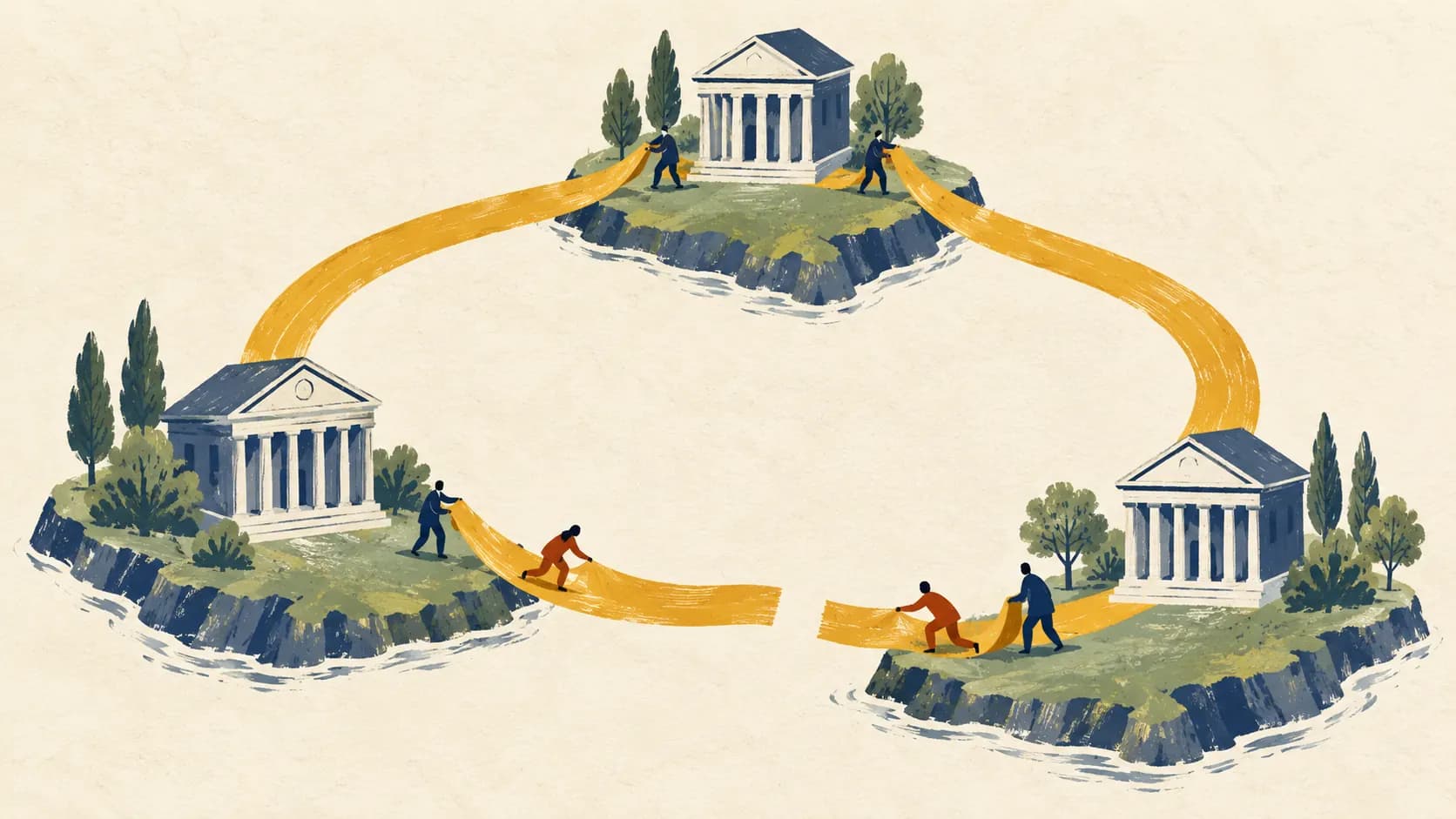
Every signal you encounter takes the same neurological path. Brainstem. Limbic system. Then, if you're lucky, frontal cortex. The reflexive brain always gets there first. That's not a flaw — it's a survival system. The problem is, it responds to a tense email the same way it responds to a threat. And without training, it wins. We snap before we consider. We shut down before we choose to. We grip tighter before we ask ourselves whether tighter is what the moment needs.
You know what this feels like. You've felt it.
Fear lives in your chest before you call it fear — the tightness, the shallow breathing, the heart rate climbing before you've consciously registered what's wrong. Frustration shows up in your jaw, your shoulders, your grip — muscles clenching around something you can't control. If you don't catch it, your reflex chooses your response for you. It leaks out in your tone, your impatience, the sharpness that catches people off guard because you didn't realize you were frustrated until you were already acting on it. Overconfidence has a feel too — the loose, buzzy energy that makes you stop checking your work, stop listening, stop noticing. It feels good, which is why it's dangerous.
And it's not just at work. It's the quiet disappointment when your spouse says the thing that tells you they weren't listening — just a heaviness in your chest before you've decided whether to say something or let it go. It's the letdown when your kid makes a choice you wouldn't have made and you feel it in your stomach before your brain catches up with whether it's your place to say anything. It's the flash of heat when someone you trusted says something behind your back — in your hands, your neck, the back of your jaw before you've even decided what you think about it. And the space between that heat and what you do next — that's the whole game.
That's emotional intelligence.
So how do you train the thinking brain to stay in the fight?
When I work with leaders, one of the first things I ask is: where do you feel that? Not what do you think about it. Where is it in your body right now?
Most people don't know at first. They'll say "I feel frustrated" and I'll say "okay, but where?" And there's this pause. But then they check in. And it's always there. The tight chest. The clenched stomach. The shoulders up around the ears.
Here's why that question matters more than it seems: the act of noticing — of pausing to think about what you're feeling and where you feel it — literally shifts the neural processing from the limbic system to the frontal cortex. You're not just reflecting. You're pushing the processing to the proactive front of your brain. You're still feeling the emotion — and that's important, because we can't change how we feel and suppressing emotions doesn't help us. But you're disengaging from the reactive impulse. The emotion stays. The hijack doesn't. You're pulling the thinking brain back online so the reflexive brain isn't the one driving.
And it's exactly what Horishima was doing on that mountain. Thinking in slow motion through the wind tunnel.
This work isn't peaceful. It's uncomfortable. It means sitting in the knot in your stomach during a meeting instead of reaching for your phone. It means feeling the full weight of your disappointment with someone instead of fast-forwarding to "it's fine." The awareness doesn't make the feeling go away. It just gives the thinking brain a seat at the table.
You can't build that in the crisis. You build it before. In the quiet moments. In the daily practice of asking yourself: what am I feeling right now, and where do I feel it?
That question is the training. Every time you ask it, you're building the same capacity that kept Horishima upright on that mountain — not through years on a ski slope, but through the simple, repeated act of paying attention to what's happening inside you.
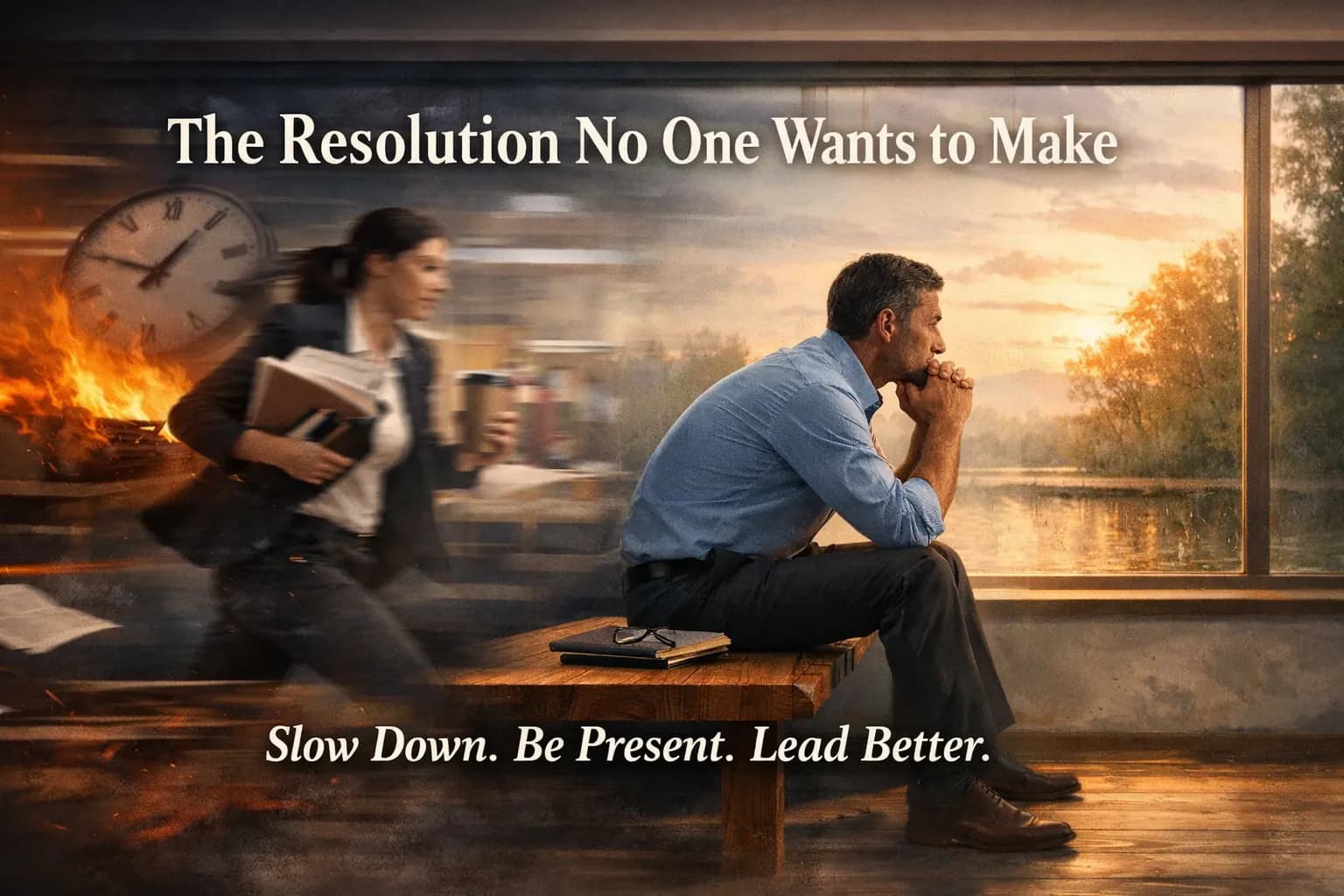
That capacity to recognize your emotions is your shock absorber. Nurture it. You never know when you'll have to ski backwards.
Keep leading, Steve