When Cheryl Bachelder took over as CEO of Popeyes Louisiana Kitchen in 2007, she had every reason to believe she knew what needed to be done. She had spent decades in senior leadership at Procter & Gamble, Domino's, and KFC. She had a strategic roadmap. She had a team. What she didn't have was the trust of the people who actually ran the restaurants.
The company had churned through four CEOs in seven years. Franchise owners were viewed internally as difficult. Restaurant teams were labeled poor performers. Guests were impossible to please. Everyone outside leadership was the problem. It was the classic posture of an organization that had confused authority with insight.
Bachelder's first move wasn't to announce a new strategy. It was to start listening. As she later told the Wall Street Journal: "We started listening to them. I know that sounds simplistic, but we were at a stage where, in our quarterly meetings with franchisees, the company told them stuff and didn't listen."
The moment that crystallized everything came when Popeyes unveiled a new restaurant prototype it had spent significant time and money developing. They invited franchisees to tour the new design. The franchisees hated it — too colorful, too expensive. Rather than pushing through, Bachelder went back to the drawing board, built a more cost-effective version, and constructed 12 new stores in New Orleans so franchisees could walk through them, touch them, and respond. Only when the people closest to the business said yes did the remodel program move forward.
Ten years later, restaurant sales were up 45%, profits had doubled, and the stock price had risen from $13 to $79.
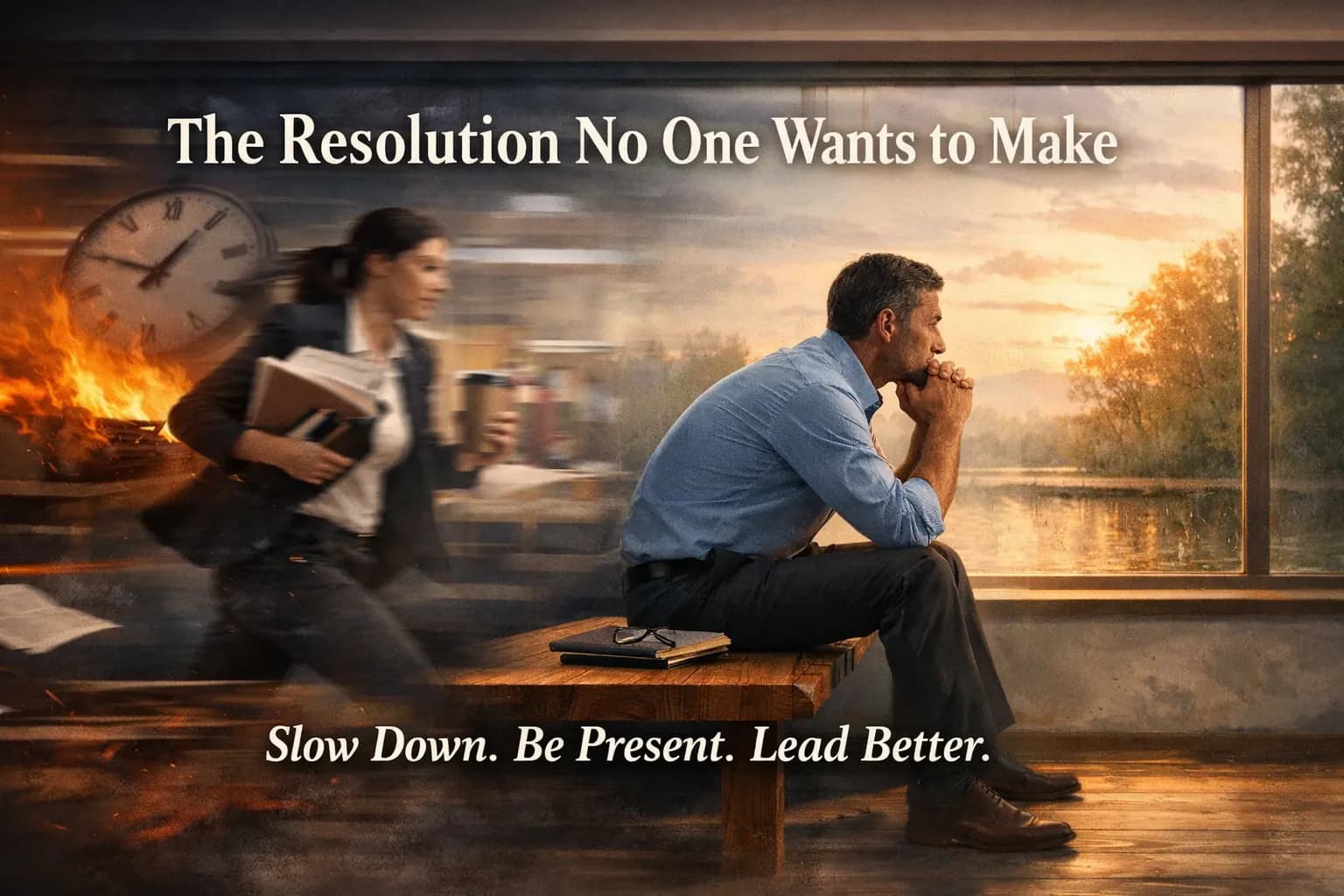
The lesson isn't complicated. But it is hard. Because stopping to listen — really listen, in a way that might mean changing course — requires something most leaders don't naturally have in abundance: the willingness to be wrong.
What This Looks Like Across Different Settings
The instinct Bachelder had to override is one of the most common traps in leadership, regardless of sector.
In a professional kitchen, it shows up when an executive chef designs a new menu or system without consulting the line cooks who will execute it every service. The plan looks good on paper. In practice, it creates chaos. The cooks closest to the food — the ones who know which steps take too long under pressure, which ingredients don't hold — have the information that makes or breaks the idea. Leaders who skip that conversation don't just lose efficiency. They lose the trust that makes a kitchen team function.
In a nonprofit, it looks like a well-funded initiative designed by headquarters that fails to account for how things actually work in the communities being served. The people in the room when the plan was built didn't include the people who live the problem every day. Good intentions, wrong answers.
In a corporate setting, it's the manager who rolls out a new process, watches it struggle, and doubles down rather than asking the team what's not working. The data says the strategy is right. The people executing it know something the data doesn't.
In every case, the pattern is the same: the leader has more authority than information, and mistakes authority for insight.
The Discipline of Not Knowing
What made Bachelder's approach work wasn't weakness — it was discipline. Listening before deciding isn't passive. It requires resisting the pull toward action that leadership culture rewards. It means sitting with uncertainty long enough to hear something you didn't expect.
She put it simply: "If you love the people you lead, you would know them well — their strengths, their values, their life experiences." That kind of knowing doesn't come from a quarterly report. It comes from conversation, from presence, from treating the people closest to the work as the experts they actually are.
The leaders who do this consistently tend to share one trait: they've made peace with the idea that their job isn't to have the best ideas. It's to create the conditions where the best ideas can surface — from wherever in the organization they happen to live.
That's a harder job than being the smartest person in the room. It's also a more effective one.